Your Cart is Empty

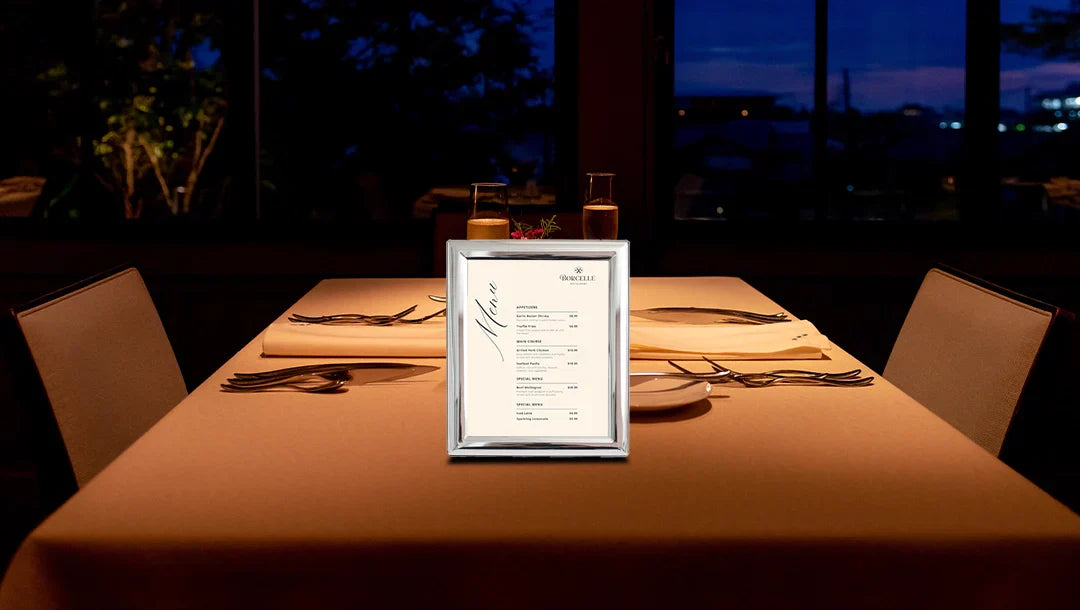

A menu does more than list what is available. It sets expectations before the first order is placed, before the first plate is served, and before a guest has decided what kind of experience they are about to have.
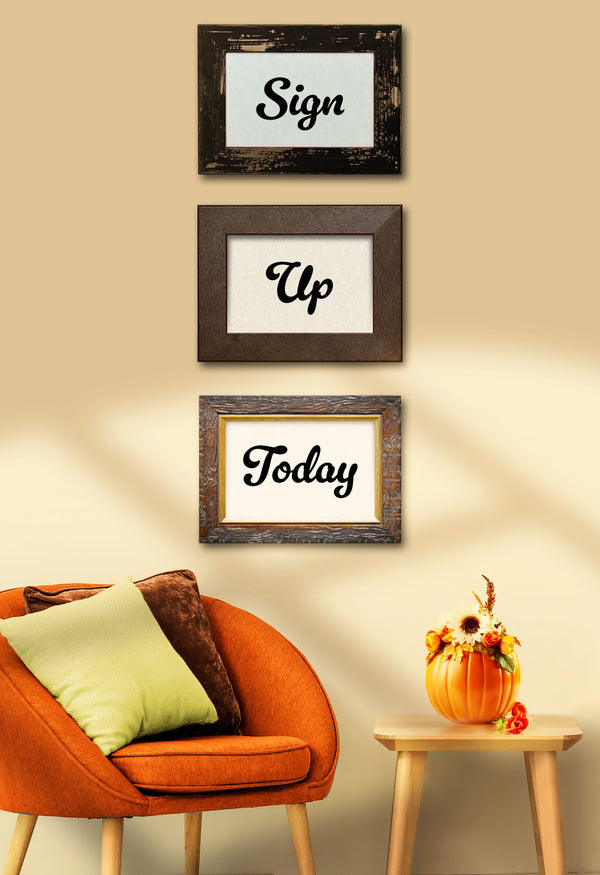
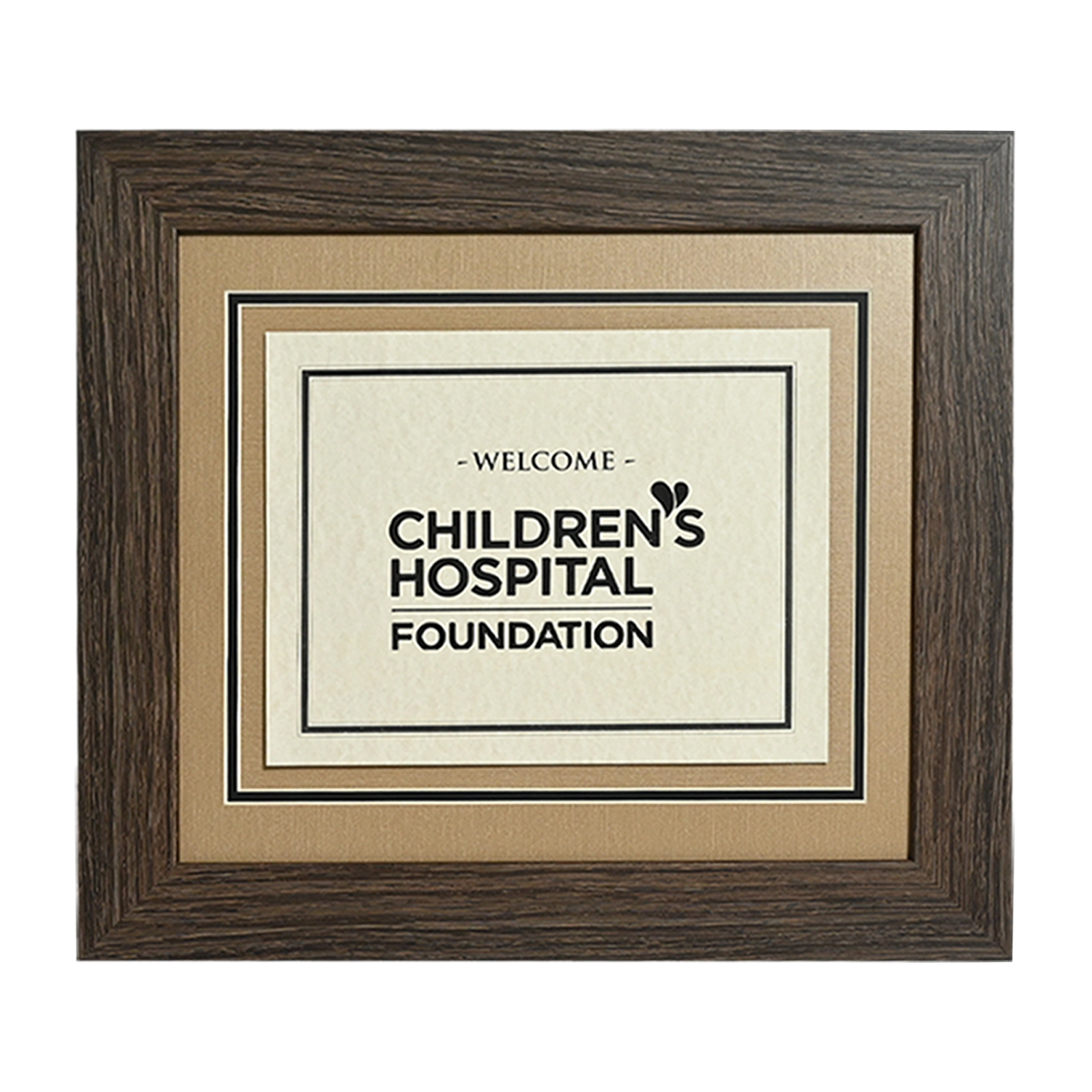
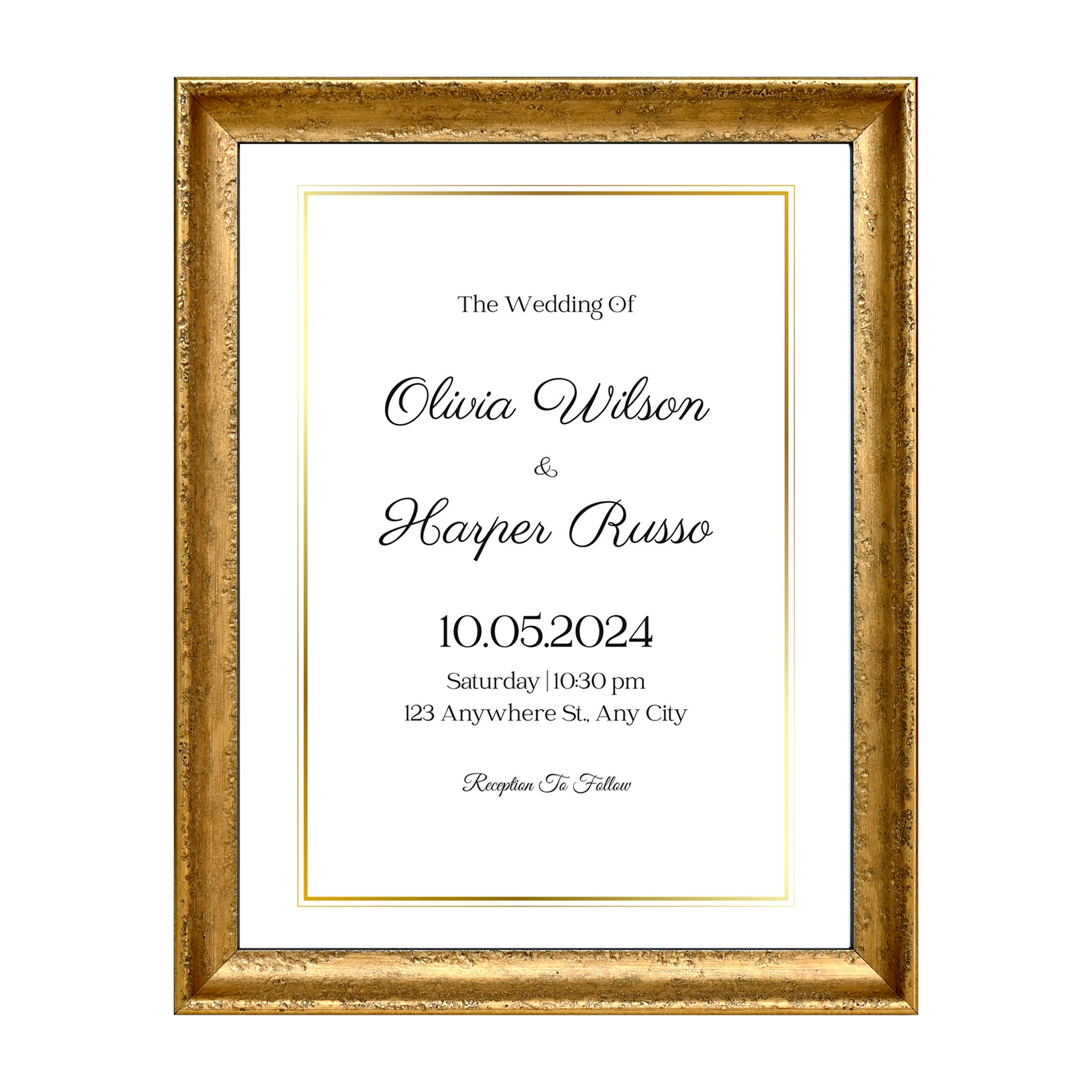
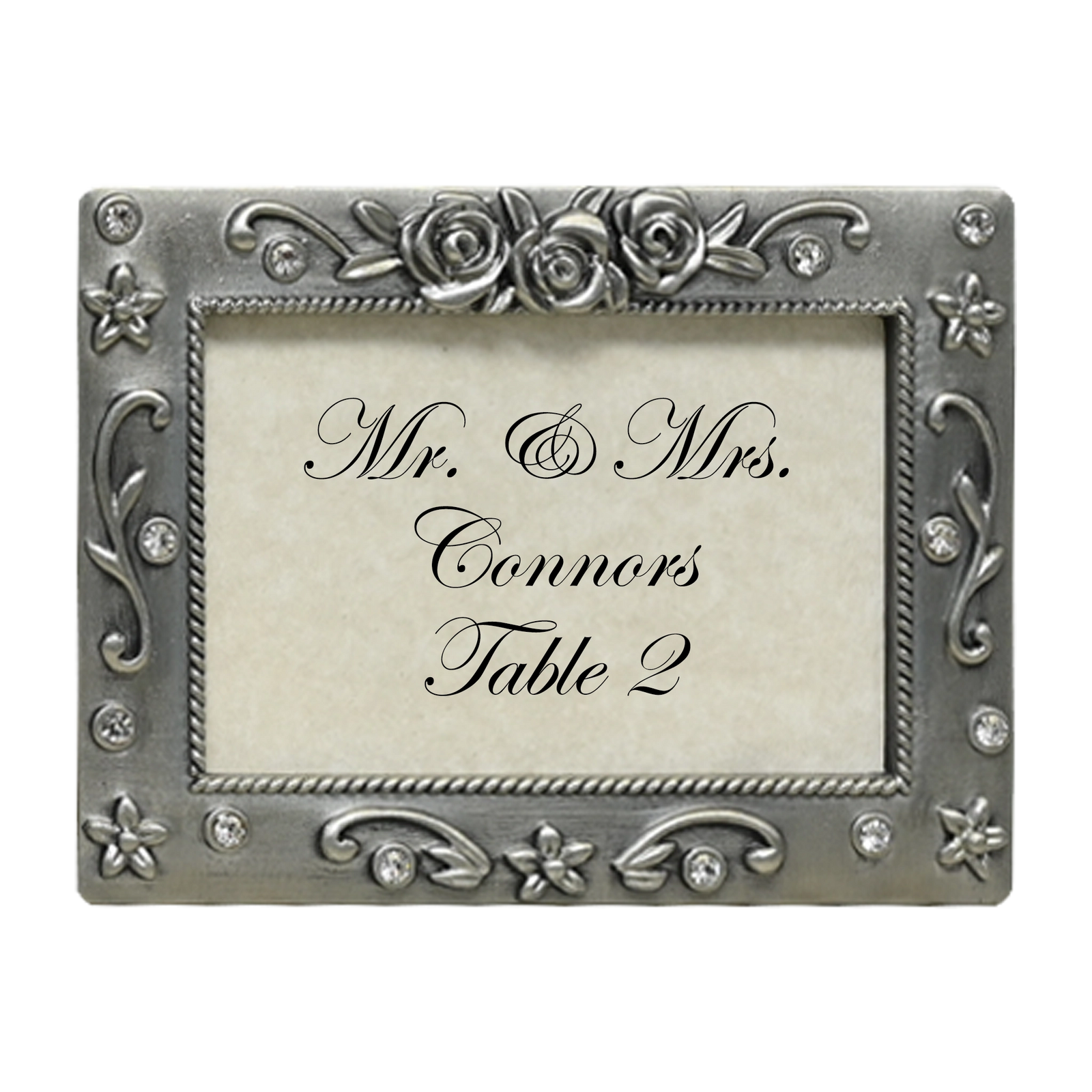
In food and beverage spaces, every detail influences perception. The lighting, the table setting, the weight of a glass, the spacing between tables, and the way a menu is presented all work together to tell guests what to expect. A printed insert placed in a loose plastic holder sends one message. That same insert displayed in a polished frame sends another.
The information may be identical, but the impression is not.
That is why menu presentation matters. Guests make quick judgments about quality, value, and trust. A thoughtfully framed menu or sign helps guide those judgments in the right direction. It shows that the restaurant, hotel, caterer, or event venue has considered the guest experience from beginning to end.
Before a guest reads a menu, they see its shape, color, placement, and condition. They notice whether it feels intentional or temporary. They notice whether it belongs in the room or looks like an afterthought.
This first impression happens quickly. A framed menu on a host stand can make a dining room feel more polished before anyone speaks. A table sign in a coordinated frame can make a featured cocktail or dessert feel more special. A buffet label in a small, elegant frame can make the entire food display feel more organized and refined.
The frame creates a visual boundary around the message. It gives the information importance. It tells the guest, “This is worth noticing.”
That quiet sense of importance can influence how guests respond to what is being offered.
The same menu item can feel different depending on how it is presented. A chef’s special printed on plain paper may be overlooked. Placed in a beautiful tabletop frame, it becomes a feature. A seasonal cocktail listed at the bottom of a menu may feel ordinary. Displayed at the bar in a polished frame, it feels like something curated.
This is especially useful for food and beverage teams promoting high-margin items, limited-time offerings, tasting flights, holiday menus, wine pairings, desserts, or private dining packages. The goal is not to make signage louder. The goal is to make the offer feel more considered.
When presentation improves, perceived value improves with it.
Guests are more likely to slow down, read, and respond when the sign feels like part of the experience rather than a piece of temporary communication. A frame turns a simple insert into a display. It gives the message presence.
Beautiful signage should also make the guest experience easier. In restaurants, hotels, event venues, coffee bars, and catered spaces, guests often make decisions while moving, waiting, or talking with others. They do not want to search for information. They want the next step to feel obvious.
Framed signage can help organize that journey.
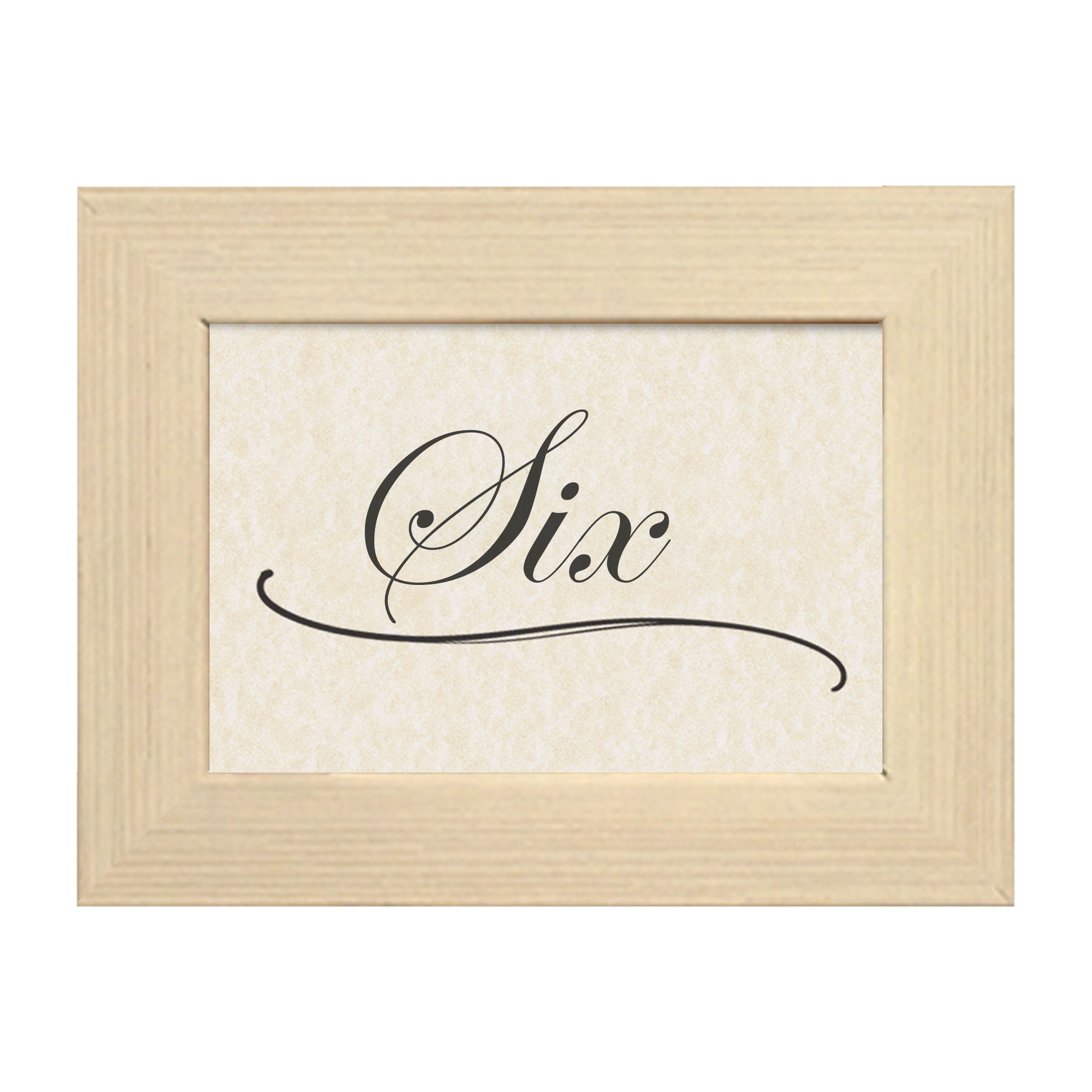
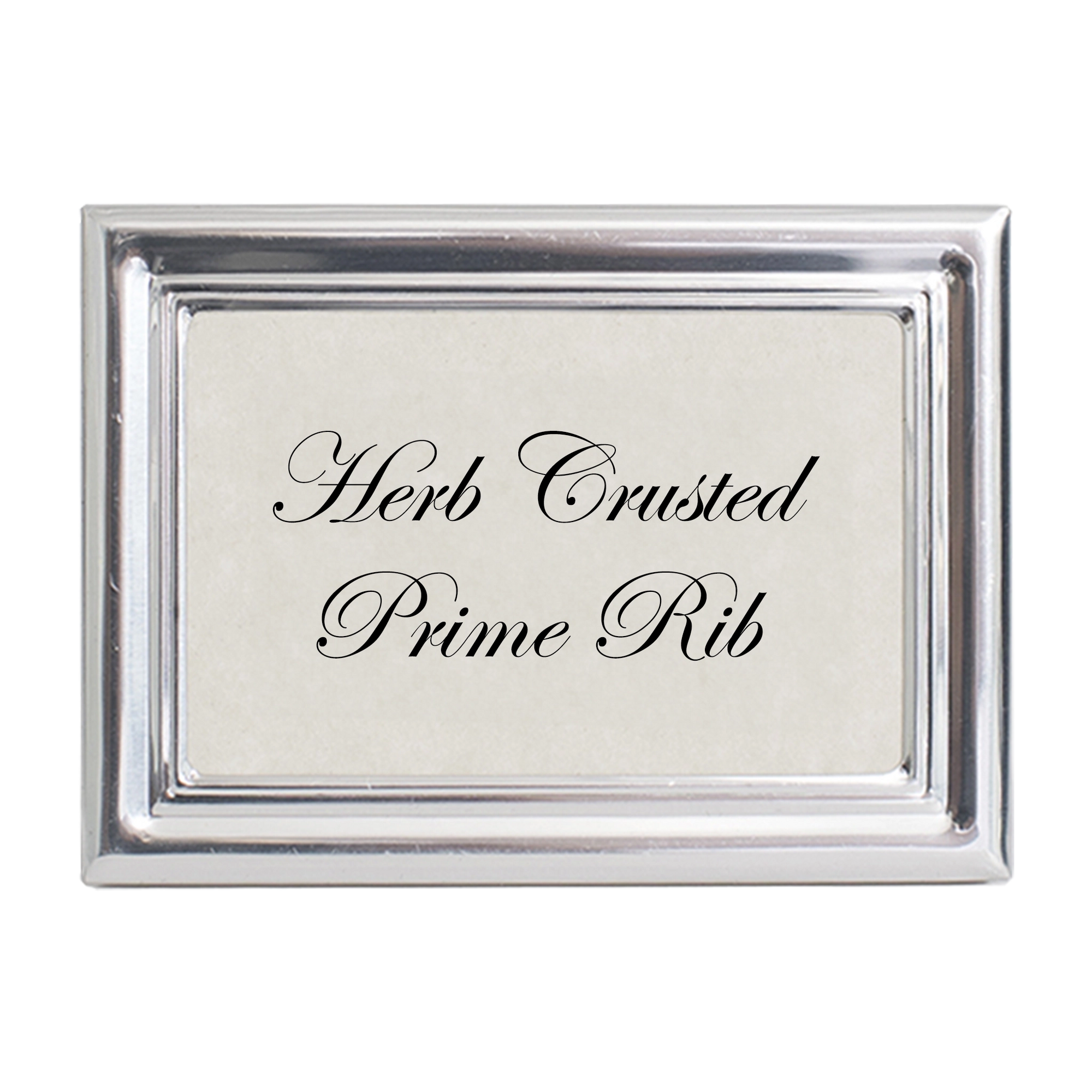
At the host stand, a framed menu can introduce the day’s specials or direct guests to a seasonal offering. At a buffet or refreshment station, framed signs can identify dishes, ingredients, or dietary notes. On the table, a small frame can promote a featured dessert, wine pairing, or brunch cocktail without requiring the server to repeat the same message at every table.
This kind of communication supports the staff as much as the guest. When signage is clear, visible, and attractive, it answers common questions before they interrupt service.
A single sign can be useful. A coordinated signage system can strengthen the entire brand experience.
When menu frames, buffet signs, table numbers, and informational displays share a consistent style, the space feels more organized. Guests may not consciously notice every matching detail, but they feel the effect. The environment seems more professional, more controlled, and more trustworthy.
This is especially important in food and beverage settings where the guest is constantly moving between touchpoints. They may see a menu at the entrance, a cocktail feature at the bar, a table number in the dining room, and buffet signage during a private event. If each piece looks unrelated, the experience can feel visually scattered. If the pieces feel connected, the brand feels stronger.
Framed signage helps create that visual thread.
In hospitality, small details often carry more weight than expected. A crooked sign, worn holder, bent paper insert, or mismatched display can quietly weaken the impression of an otherwise beautiful setup. Guests may not mention it, but they register it.
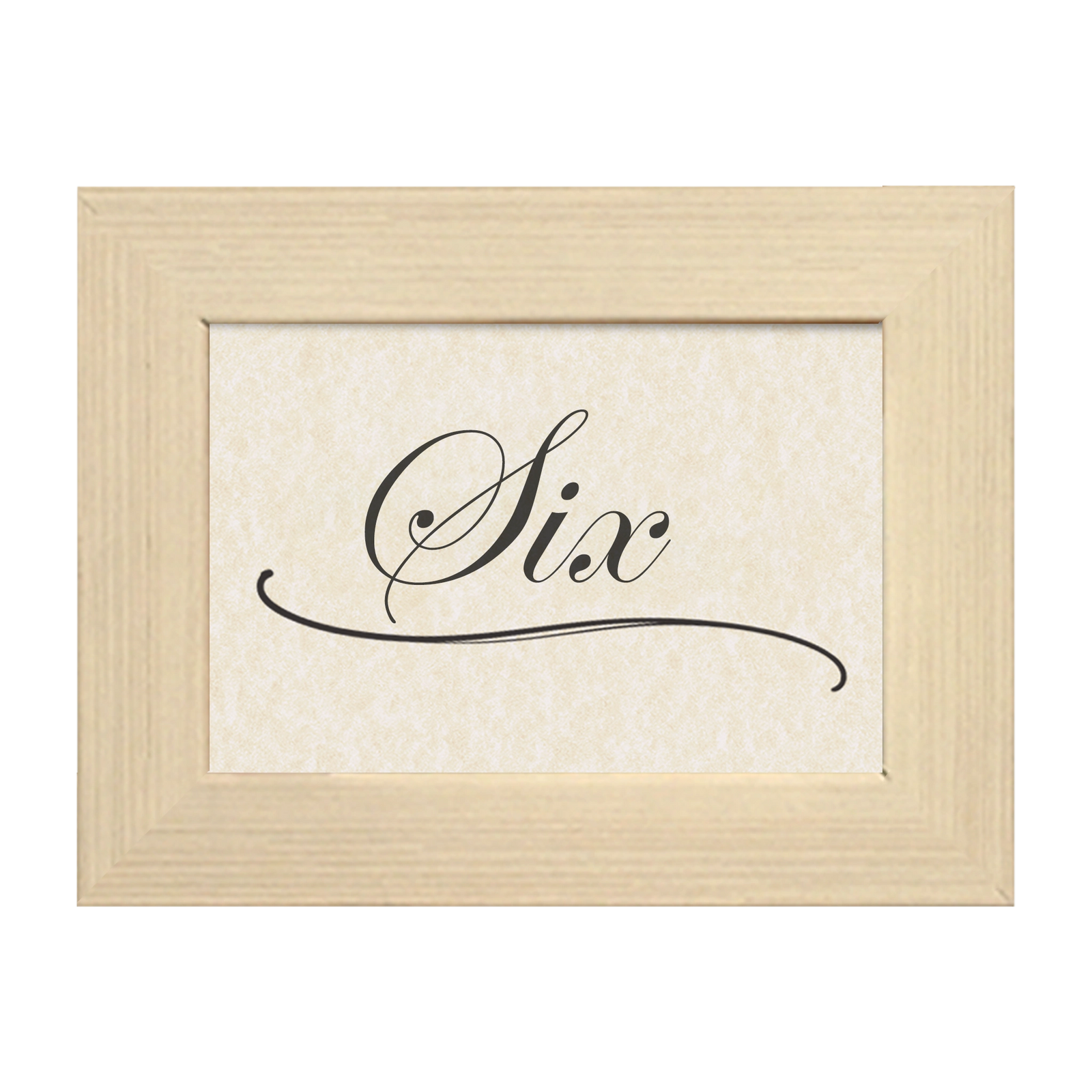
The reverse is also true. A clean, well-placed frame can make a small message feel finished. A table number can become part of the tablescape. A buffet label can become part of the food presentation. A menu display can become part of the room’s décor.
These details tell guests that care has been taken. They suggest that the same attention given to the food has been given to the way it is introduced.
That matters because hospitality is built on confidence. Guests want to feel that they are in capable hands. Every polished detail reinforces that feeling.
Menu presentation is not only about decoration. It is about communication, perception, and decision-making. The right frame helps guests notice what matters, understand what is being offered, and feel more confident in the experience.
For food and beverage professionals, this makes framed signage a practical tool as much as a visual one. It can highlight profitable features, improve flow, support staff, organize the guest journey, and elevate the overall atmosphere.
A menu may begin as information, but presentation turns it into an experience.
When your signage feels intentional, your guests feel it too.
Comments will be approved before showing up.
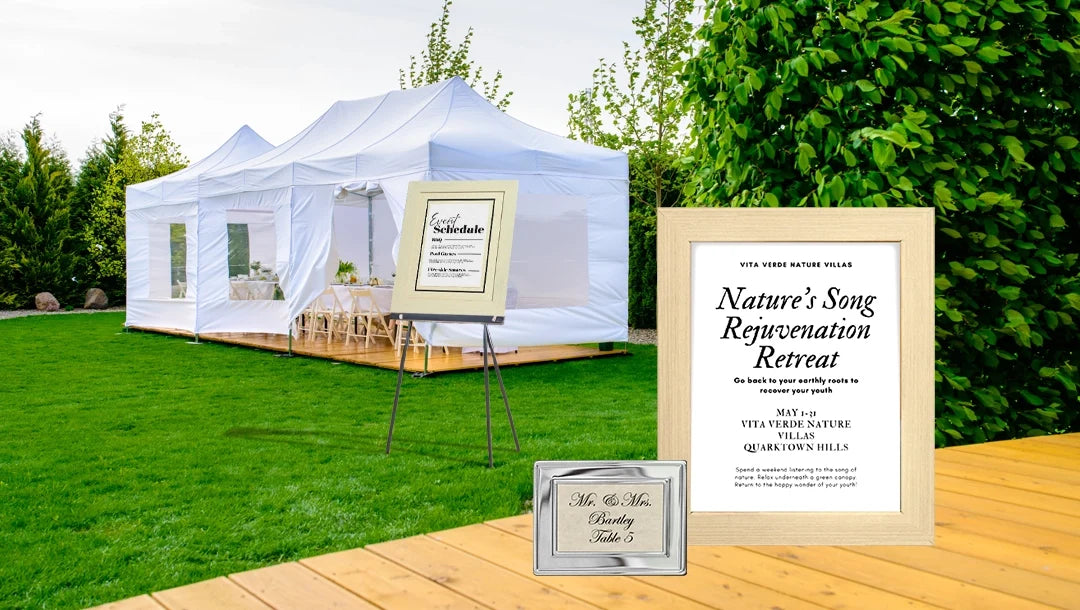

Better signage does more than share information—it improves guest perception, supports staff, and helps every hospitality space feel more polished, intentional, and professional.
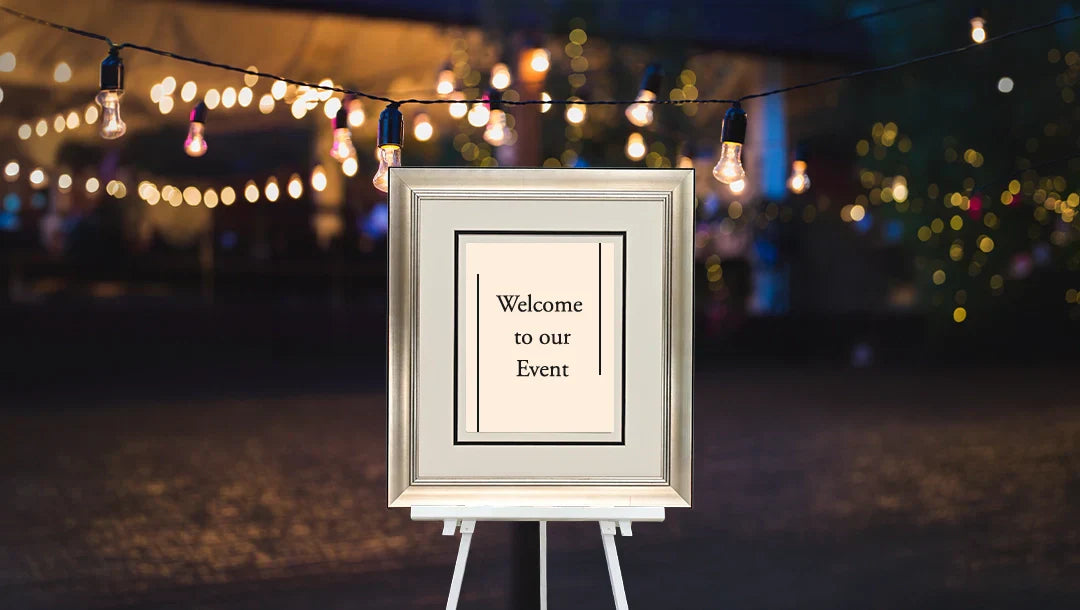

In hospitality, the smallest details often shape the strongest impressions. Custom framing helps turn everyday signs, menus, table numbers, and displays into polished parts of the guest experience. When every message feels intentional, the entire space feels more thoughtful, refined, and memorable.


Celebrate unforgettable rounds, hole-in-ones, and tournament memories with custom golf award frames designed to honor every golfer’s proudest moments.